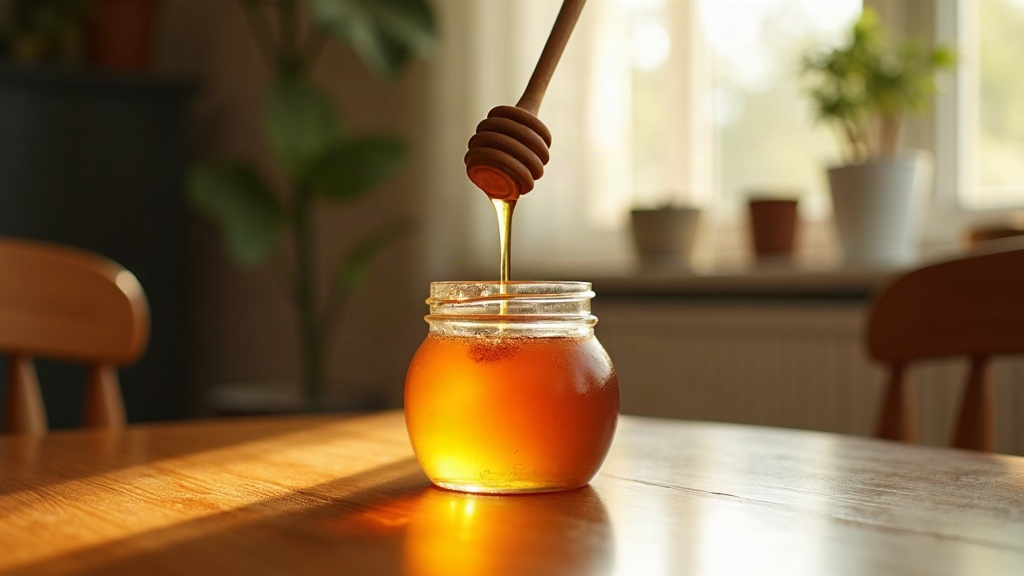
Long before busy schedules took over, a small spoonful of honey had a quiet place in the morning routine. This short video looks at why that old habit is getting new attention today.
Routines shift with age, and so does the way a day starts. Before jumping to conclusions about memory, it helps to look at what’s actually changing behind the scenes.
For generations, a spoonful of honey stirred into warm water or tea was part of a slow, deliberate start to the day — long before alarms and inboxes took over the morning.
As daily schedules loosen up later in life, the structure that once anchored focus — commutes, meetings, deadlines — often fades, changing how the mind warms up each day.
Sleep naturally changes shape with age. Lighter, shorter, or more fragmented rest can leave mornings feeling foggier before the day even gets going.
Fewer new tasks, faces, and challenges in a day can mean less everyday mental variety — something researchers have long linked to how sharp a routine feels.
Honey has picked up a lot of folklore over the centuries. Here’s a plain look at some common claims side by side with what’s more carefully understood.
Honey is just sugar in a different form.
Honey does contain natural sugars, but it also carries trace enzymes, antioxidants, and compounds not found in refined table sugar.
Only raw, exotic honey varieties are worth using.
Most traditional morning routines simply used whatever honey was locally available — the ritual mattered as much as the source.
A morning habit either works instantly or it’s pointless.
Traditional routines were typically practiced consistently over time, as a small part of a broader daily rhythm, not as a one-time fix.
This isn’t a complicated regimen. It’s a small, repeatable sequence that fits into an already-existing morning.
Before checking a phone or starting the day’s tasks, a warm cup of water or tea is prepared — a small pause before momentum takes over.
A spoonful of honey is stirred in slowly. The pause itself, not just the ingredient, is often described as part of the ritual.
The drink is sipped slowly, often while sitting quietly, giving the mind a few unhurried minutes before the day’s demands begin.
Honey has been part of daily rituals across many cultures for thousands of years, long before modern kitchens existed. Historical texts from several regions describe honey and warm water as an everyday household staple, often paired with quiet moments before work began. Interest in honey’s natural compounds has continued into modern nutrition science, where researchers study its composition as part of general food research — separate from any specific health outcome.
The habit itself — a slow, mindful pause at the start of the day — is what many traditions across different cultures seem to share, regardless of the specific ingredient used.
Keys, glasses, or a phone turning up in unusual spots more frequently than before can be worth simply noting.
Pausing to recall a word or losing track of a thought during a chat happens to everyone occasionally, but a noticeable pattern is worth observing.
Some people notice mental sharpness dips more in the afternoon than it used to, which can be tied to routine, rest, or energy shifts.
Needing more sticky notes, alarms, or lists isn't unusual, but a sharp increase compared to a few years ago is worth mentioning to a doctor.
Recipes, instructions, or errands with several steps sometimes feel more effortful than they once did for some people over 50.
A brief delay recalling a familiar name or face is common with age, though a sudden or steep change deserves a conversation with a healthcare professional.
These are individual accounts shared for illustrative purposes only. Names have been changed. Experiences vary widely from person to person, and these statements are not a guarantee of any outcome.
The video walks through educational information about a traditional ingredient and routine. Any offers mentioned are clearly presented separately within the video itself.
The video discusses this in more detail, but historically, most routines simply used whatever honey was on hand locally.
The content references historical and nutritional context. It is educational in nature and is not a substitute for medical advice from a qualified professional.
It’s a short video designed to be watched in a single sitting, covering the background and the simple routine step by step.
Anyone with existing health conditions or who is taking medication should speak with a healthcare professional before changing a daily routine.
Mornings are often when daily habits are most consistent, which is part of why so many traditional rituals, including this one, centered around that time of day.
This page provides background context only. Any specific product information is presented within the video, separately from this educational overview.
The short video covers the history, the simple routine, and what to know before trying it — at your own pace, with no pressure.
Advertising Disclosure: This page contains sponsored content and affiliate links. We may receive compensation if you make a purchase or take action after clicking a link on this page. This helps support the content we create at no additional cost to you.
Content Disclaimer: This content is for educational and informational purposes only. It has not been evaluated by the FDA and is not intended to diagnose, treat, cure, or prevent any disease. Always consult a qualified healthcare professional before making changes to your diet, routine, or health regimen.
Results Disclaimer: Individual results and experiences vary. Testimonials shared on this page reflect personal accounts and are not a guarantee of similar outcomes for anyone else.
© 2026 · All Rights Reserved · /contact/